MEECAP
MEEECAP Project
Project Overview
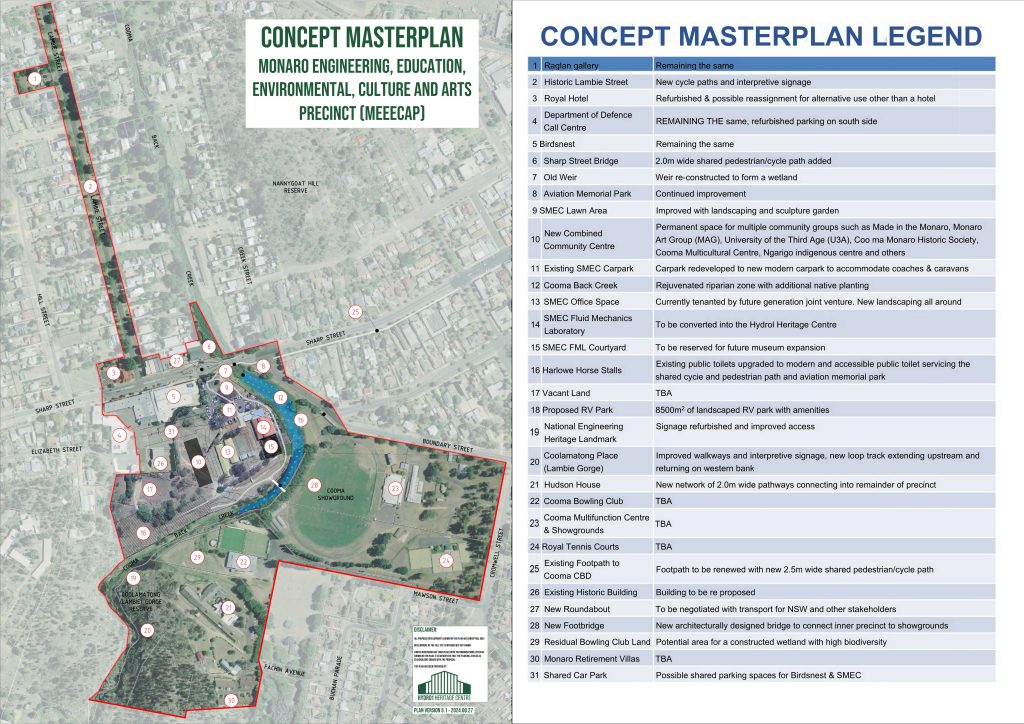
The MEEECAP Project is a transformative initiative designed to breathe new life into the struggling West Cooma Business District. This ambitious proposal seeks to integrate several key sites—including the Cooma Showground, Cooma Back Creek, Coolamatong Sacred Aboriginal Reserve, and the historic Lambie Street—into a unified precinct centred around a new cultural hub. The heart of this hub will be the proposed Hydro1 Heritage Centre, which will be established by repurposing the iconic SMEC Fluid Mechanics Laboratory building at 220 Sharp Street. Alongside this, a new Combined Community Centre is also planned.
The vision for the precinct extends beyond its cultural offerings, with plans to interconnect all areas through a comprehensive redesign of the surrounding road network, internal pathways, and bridge infrastructure. These improvements will be enhanced by first-class landscaping and the sensitive restoration of the adjacent creek corridor, ensuring the precinct is both visually striking and environmentally considerate.
Funding Application and Grant Details
On 30 August 2024, Hydro 1 Heritage Centre Inc (H1HC Inc) applied for full grant funding under Stream One of the Australian Government’s Regional Precincts and Partnerships Program (rPPP). Should the application be successful, H1HC Inc will receive $2.33 million, the estimated amount required to develop a comprehensive Masterplan. This funding will cover all necessary plans, investigations, consultations, technical reports, designs, studies, and applications needed to advance the project to an implementation-ready state.
The rPPP grant program is designed to support government bodies, local businesses, and community groups in forming long-term partnerships that bring significant regional development projects to fruition. The application process for the MEEECAP Project is currently underway, with formal advice confirming it is being assessed as part of the current batch.
The application submitted by H1HC Inc totalled 72 pages and featured 34 letters of support. These letters came from a broad array of government and community organisations, local businesses, and the region’s Federal and State members, demonstrating widespread backing for the project.
Next Steps and Future Potential
Stream One grants specifically support precinct investigation and partnership establishment, with the goal of bringing proposals to “shovel-readiness” for subsequent construction and delivery. If H1HC Inc’s application is successful and the resulting planning process confirms the viability of the MEEECAP Project, the two lead partners—SMEC and H1HC Inc—will be positioned to pursue further infrastructure funding, which is estimated to be in excess of $25 million.
We are confident that the MEEECAP Project represents a potential gamechanger, not only for the Cooma West Business locality but also for the broader Cooma-Monaro region’s arts, culture, heritage, and business communities.
Process Camera
Process Camera
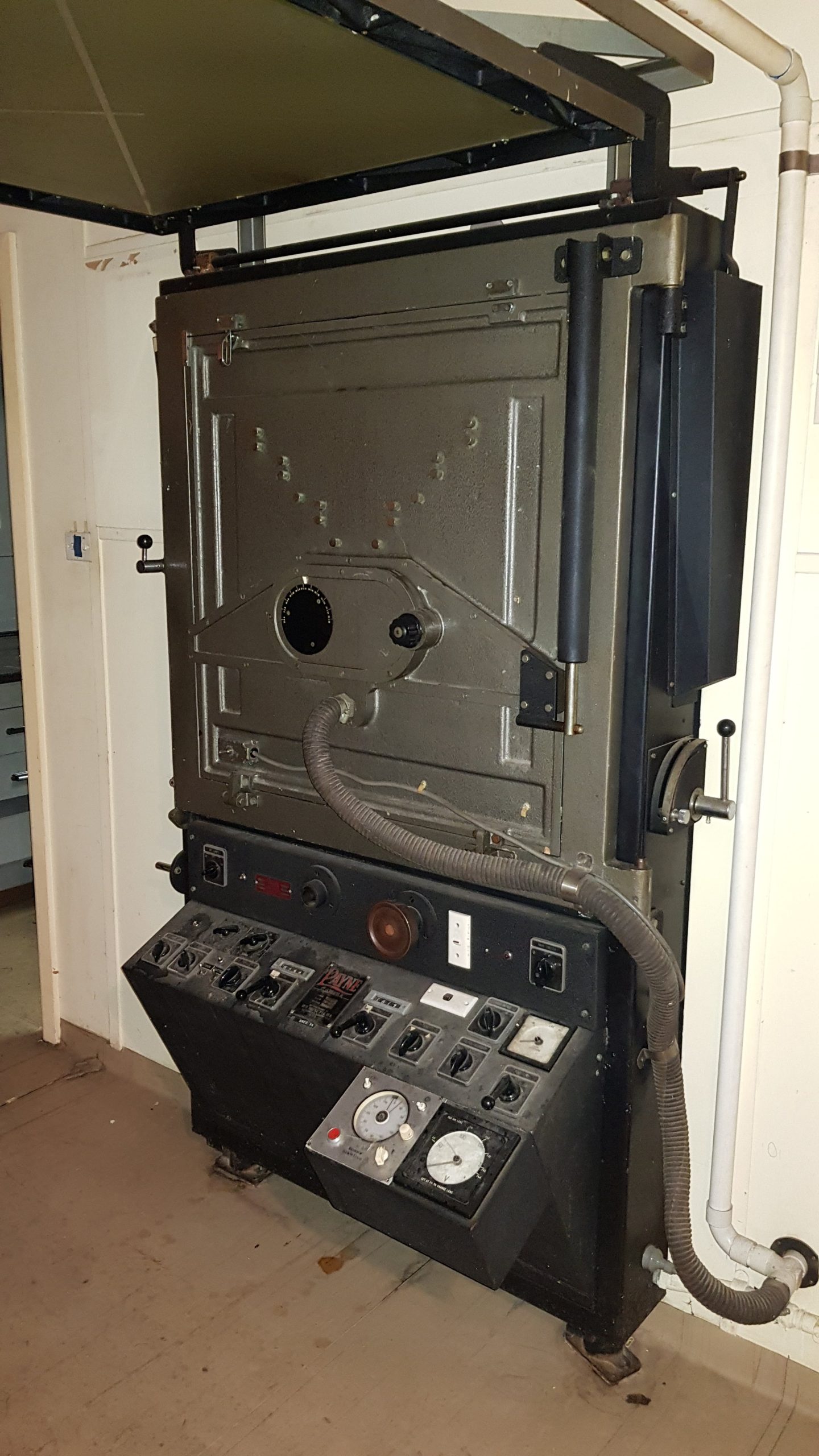
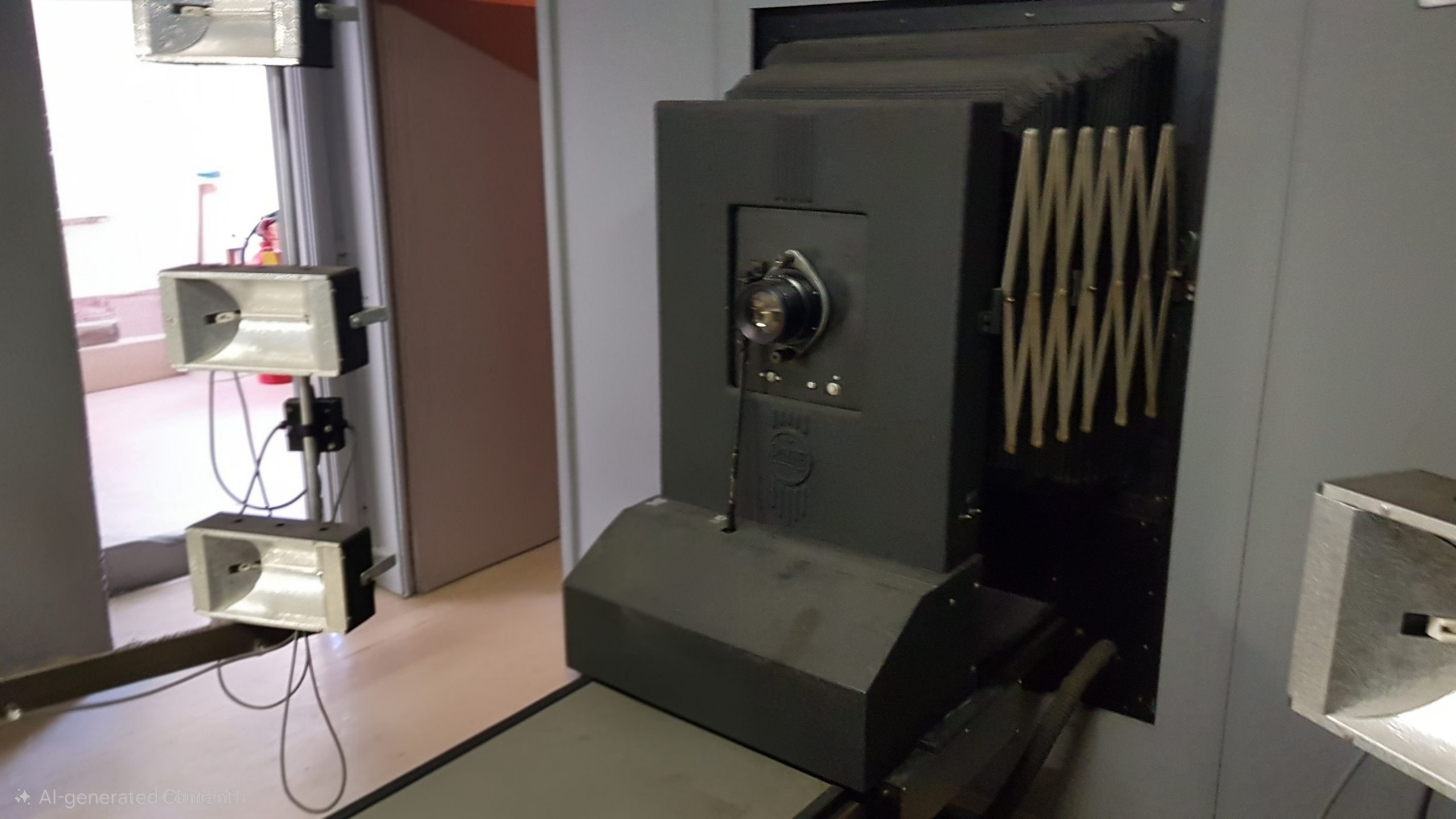
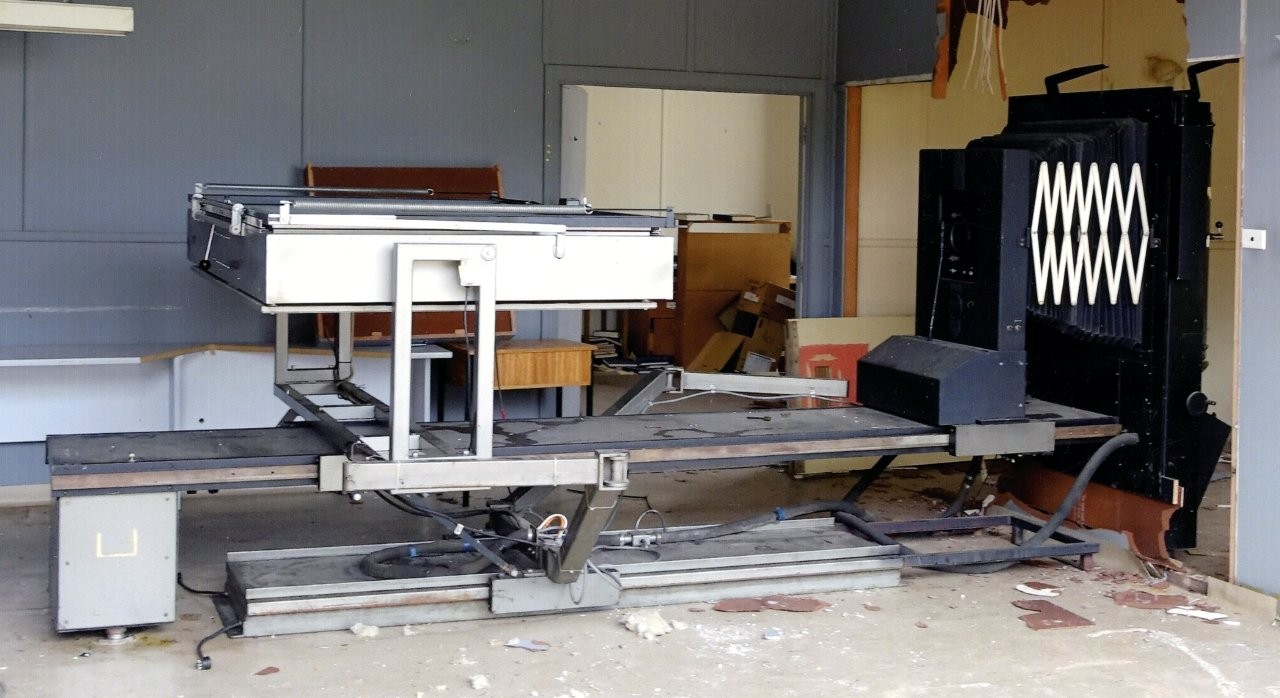
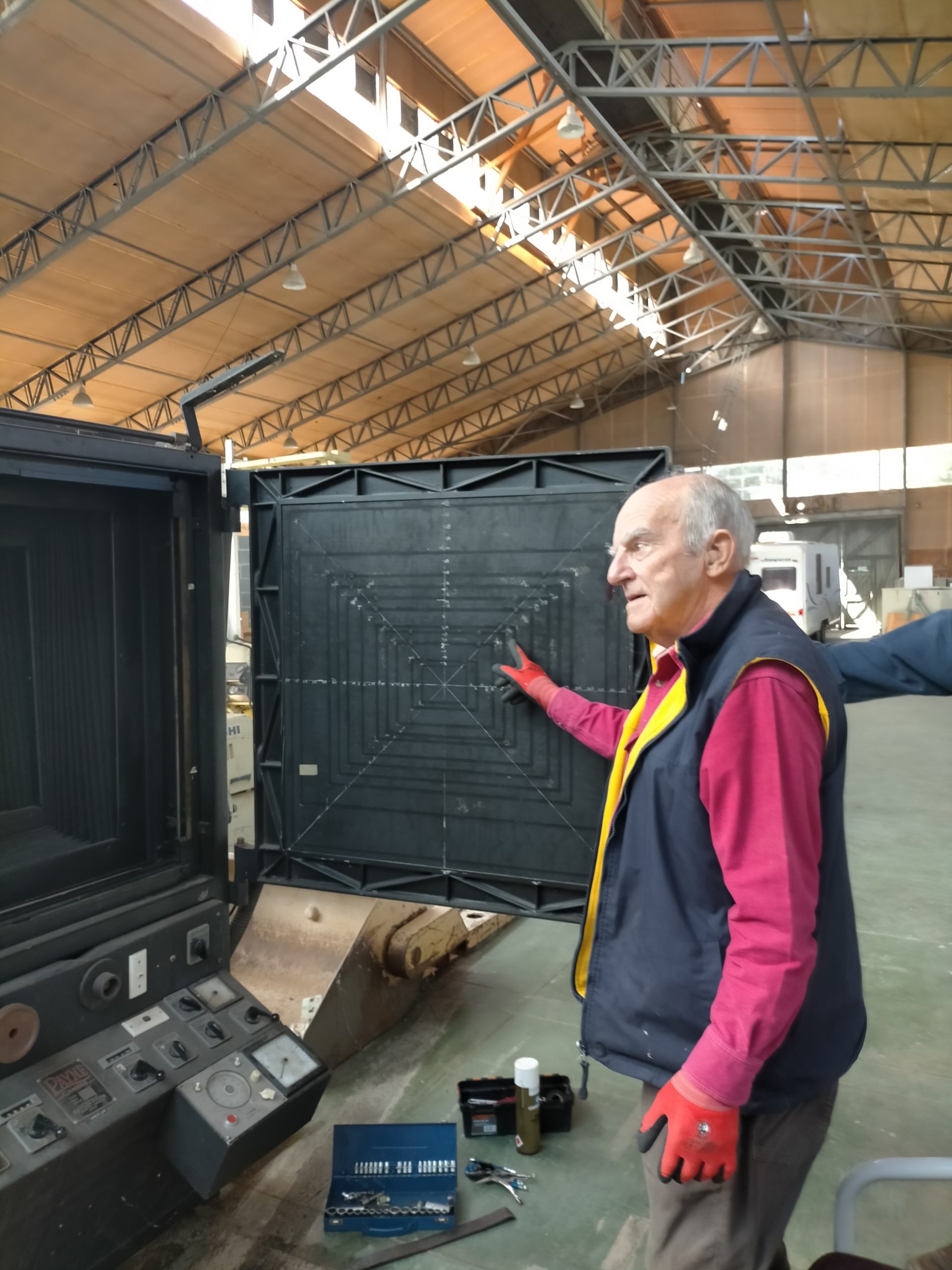
Installed in 1974, the Payne Process Camera was essential to SMEC for creating scaled drawings and photographs before digital technology emerged. The process camera was installed in a wall between two rooms with controlled lighting. The camera itself includes a flat bed for placement of the plan, photograph or drawing to be scaled, bellows, lens and aperture, photographic plate and control panel for adjusting focal length, aperture, and shutter.
When the SMEC Cooma Back Creek buildings were demolished in 2019, the camera was partially taken apart and relocated by crane to the Fluid Mechanics Laboratory.
The Process Camera project aims to recommission the Payne process camera as an interactive educational display, highlighting how cameras work and their major parts. Thanks to its impressive size and clearly visible components, coupled with hands-on features, the refurbished Process Camera is poised to become a standout STEM learning resource.
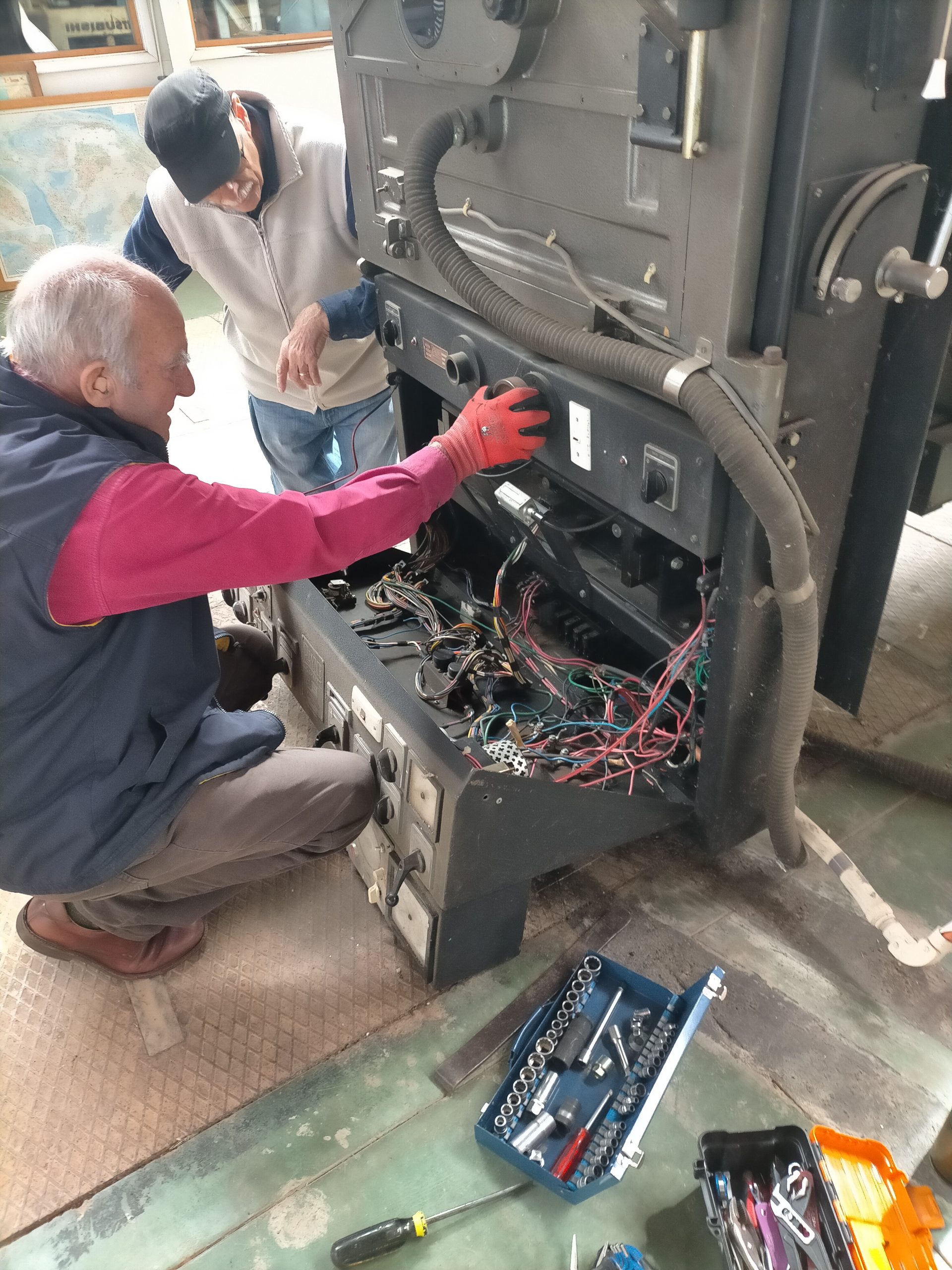
In the first stage of this project, a support frame with heavy-duty castor wheels will be built for the camera, allowing easy movement. Next, the camera will undergo rewiring, receive modern lighting, and have its controls restored. These upgrades will turn it into a functional and movable exhibit, forming a key part of the Hydro1 Heritage Centre (H1HC) collection.
Completing the Process Camera project will allow H1HC Inc to grow its events and educational outreach, especially for TAFE students and school children. This restoration marks the beginning of interactive displays for the H1HC collection.
Transforming the process camera into an interactive display is expected to boost both educational and public interest visits to the planned Hydro1 Heritage Centre. It will also act as a promotional asset for H1HC and the MEEECAP project. The anticipated economic benefits are significant: based on studies from Cox Architecture Pty Ltd (2018) and the H1HC Business Case (2019), the Hydro1 Heritage Centre’s prime location on Sharp Street, in Cooma, makes it easily accessible to more than one million tourists each year.
Shed
shed project
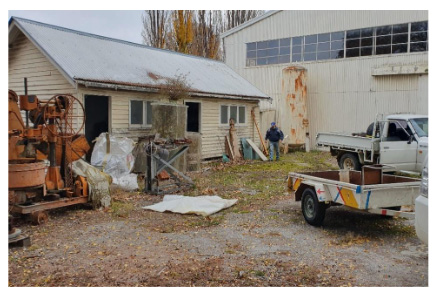
The timber shed located at the rear of the Fluid Mechanics Laboratory building presents significant potential for the Hydro 1 Heritage Centre (H1HC). The space could be repurposed to function as a practical workroom, a club room for members, or a storage facility to support various H1HC activities.
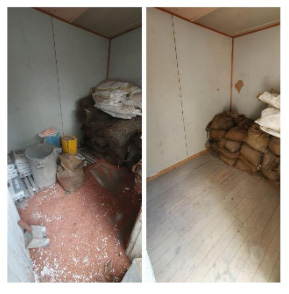
Historically, the shed was filled with miscellaneous items, pipe fittings, old Perspex models and materials from the laboratory’s operational era. Among these were both general junk and some historic objects of value. Recognizing the opportunity to make better use of the shed, the H1HC committee has had two working bees to clear out the space. Volunteers worked together to remove rubbish, transporting multiple loads to the local landfill.
During this clean-up process, the committee identified items of historical and practical significance. These select pieces were transferred to the main Fluid Mechanics Laboratory building, with the intention of incorporating them into future historic displays. The ongoing effort to restore and repurpose the timber shed underscores the committee’s commitment to enhancing H1HC’s facilities and preserving important artifacts for public engagement and education.